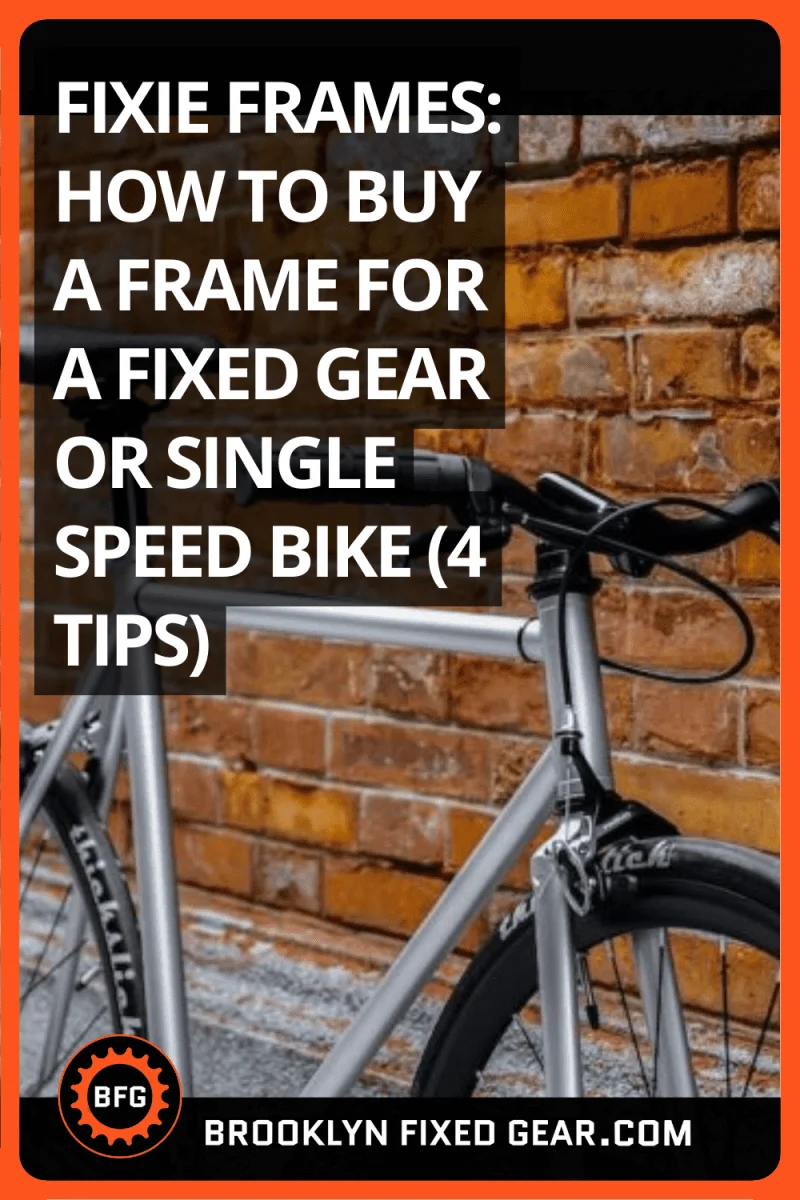
How to Choose the Right Fixed Gear Bike Size
The right size is one of the most important decisions when buying fixed gear bikes. A frame that is too large can make the bike feel slow to steer and difficult to control, while a frame that is too small may leave you cramped and unstable at higher speeds. Because fixed gear bikes have a direct connection between your pedaling and the rear wheel, a well-fitting frame can make starts, stops, cornering, and cadence changes feel more predictable. Use the manufacturer’s chart as a starting point, then confirm the fit with your inseam, riding position, and the bike’s actual geometry.
How Fixed Gear Bike Sizing Works
Most fixed gear bikes are sized by the seat tube length, commonly measured in centimeters or by a simple small, medium, large system. However, the number alone does not tell you everything. Two frames with the same labeled size can have different top tube lengths, head tube angles, stack heights, and reach measurements. These differences affect how upright, stretched, or aggressive the bike feels.
For everyday commuting, many riders prefer a moderate reach and enough handlebar height to maintain a relaxed position. Track-inspired frames may have a lower front end and a longer-feeling cockpit, which can suit fast riding but feel demanding in traffic. A brand such as Felt may use sizing and geometry that differ from a similarly labeled SE Racing model, so avoid choosing by brand size alone. Look frames can also vary between road-oriented and track-oriented designs. Always check the geometry table for the exact model and year.
Your saddle height is adjusted independently of frame size, but seatpost adjustment has limits. A large frame with the saddle nearly slammed down can restrict standover clearance, while a small frame with a very long seatpost may feel flexible or leave too much of the bike unsupported. Frame size should provide a sensible range of adjustment rather than relying on extreme seatpost or stem changes.
How to Measure Your Height and Inseam
Measure your height without shoes while standing against a wall on a hard, level floor. Keep your heels and upper back lightly against the wall, look straight ahead, and mark the highest point of your head. Measure from the floor to the mark. Repeat the measurement once or twice because a small error can move you into a different size range.
Your inseam is often more useful than height for checking bicycle fit. Stand barefoot with your feet about 15 to 20 centimeters apart. Place a hardcover book between your legs and raise it firmly until it contacts your pelvic area, similar to the pressure of a bicycle saddle. Keep the book level, then measure from its top edge to the floor. Ask another person to measure for better accuracy.
Some bike charts use an inseam-to-frame formula, but these formulas are only estimates. They do not account for crank length, tire size, saddle shape, shoes, or personal flexibility. Use your inseam to check standover clearance and the manufacturer’s chart to narrow the choice. If you are between sizes, compare reach and stack before deciding. Reach indicates how far forward the handlebars are, while stack describes the vertical height of the front of the frame.
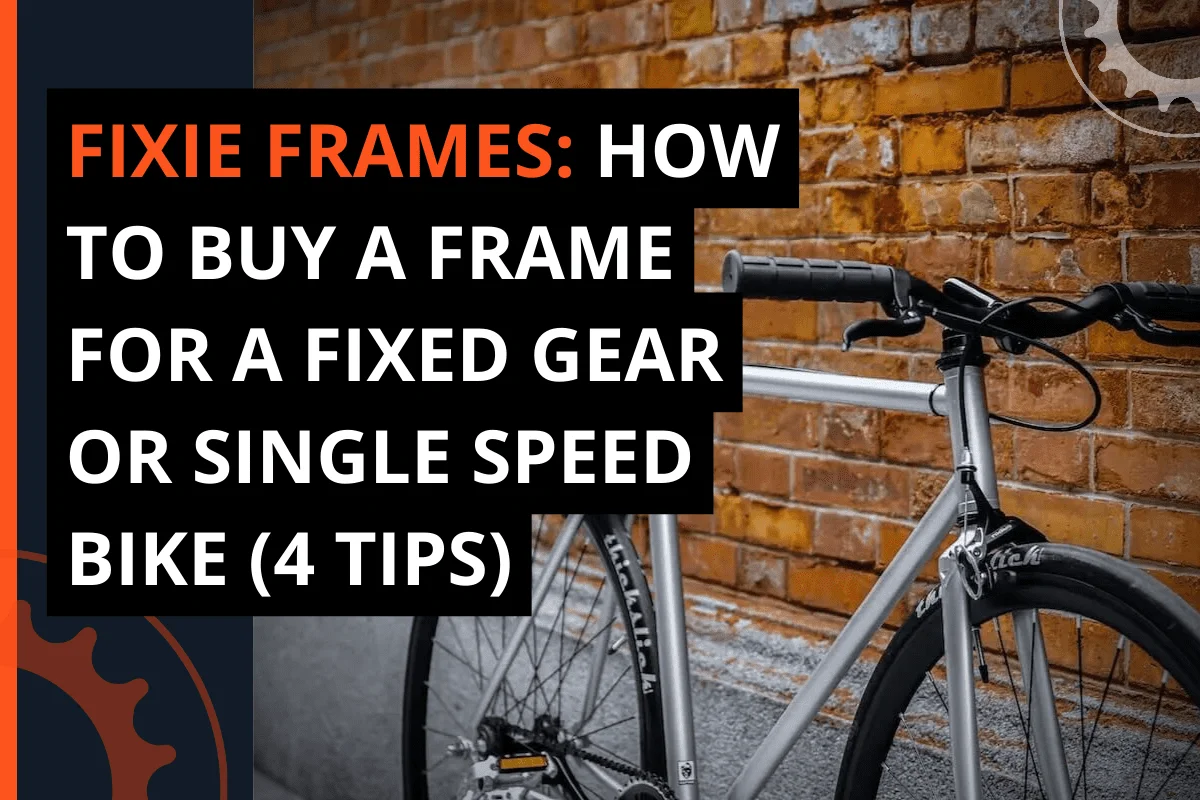
Fixed Gear Bike Size Charts Explained
A typical size chart may recommend a small frame for shorter riders, a medium for average-height riders, and a large or extra-large frame for taller riders. These labels are not standardized. One manufacturer’s medium might have a 52-centimeter seat tube, while another’s medium could be closer to 54 centimeters. Some brands also publish rider-height ranges that overlap, which means more than one size may be appropriate.
When comparing a chart, look for the listed rider height, inseam range, seat tube length, effective top tube, reach, and standover height. The effective top tube and reach are especially useful when comparing different frame designs. A rider with a long torso may need more reach than someone of the same height with longer legs. Conversely, a rider with a long inseam and short torso may prefer the lower reach of a smaller frame, provided the saddle can be raised safely.
Do not confuse wheel size with frame size. A bike with 700c wheels can be built in several frame sizes, while smaller fixed gear bikes may use different wheel standards to preserve handling and proportions. Confirm the wheel and tire specifications separately, particularly if you plan to add Bicycle Accessories such as fenders, racks, or larger tires. Clearance around the frame and fork can affect whether those additions will fit.
How to Check Frame Fit Before Buying
Recommended products
Use these catalog picks as a shortlist for how to choose the right fixed gear bike size. Compare measurements, materials, and return terms side by side instead of buying from a photo alone.


Start with standover clearance. Wearing the shoes you expect to ride in, stand over the top tube with both feet flat. There should be a small amount of clearance between you and the frame, especially if the top tube is nearly horizontal. A compact frame may use a sloping top tube and provide more clearance even when the listed seat tube measurement appears relatively large. Standover is not the only fit check, but inadequate clearance is a clear warning sign.
Next, assess the cockpit. With the saddle set near the correct height, the handlebars should not force you to lock your elbows or round your back excessively. Your shoulders should remain relaxed, and you should be able to shift hand position without feeling as though you are reaching for the front wheel. A frame that requires a very short stem to feel manageable may be too large, while a frame that needs an unusually long stem may be too small.
Check saddle position without using it to solve every sizing problem. The saddle should be positioned so your knee and foot can work comfortably through the pedal stroke, but moving it far forward or backward changes the handling and weight distribution. On a fixed gear bike, where smooth control depends on consistent contact with the pedals, an extreme saddle position can make the bike feel awkward even if the handlebars seem comfortable.
If buying online, request the complete geometry diagram and compare it with a bike you already ride. Measure the distance from the bottom bracket to the saddle, the saddle to the handlebars, and the handlebar height. Also confirm the retailer’s return policy before ordering. A return option is particularly valuable when the chart places you between sizes or when the bike has an unusually aggressive track geometry.
When to Choose a Smaller or Larger Frame
Choose the smaller option when you are between sizes and prioritize nimble handling, lower standover height, or a more compact reach. A smaller frame can be adjusted with a longer seatpost and, within reason, a longer stem. This approach often works for riders with a shorter torso or limited flexibility. Do not choose a frame so small that the seatpost exceeds its minimum insertion mark or the handlebars require an excessive reach adjustment.
Choose the larger option when you have a longer torso, need more stack height, or feel cramped on the smaller frame. A larger frame can provide a more stable riding position and may reduce the need for a tall stem or numerous spacers. It is less forgiving if you lack standover clearance or if the top tube feels too long, so verify those measurements before buying.
A catalog comparison should focus on trade-offs rather than a single best choice. One pick may offer a compact, responsive fit with easier standover access, while another may provide more room in the cockpit and a taller front end. Compare each model’s geometry, adjustment range, component compatibility, and return policy, then weigh the pros and cons against your commute, terrain, and preferred posture. Color details such as Brown may affect appearance, but they should not outweigh fit and safety.
Final Fit Checks Before Your First Ride
After assembly, verify that the seatpost, stem, and handlebar are tightened to the manufacturer’s torque specifications. Set the saddle height so your knee remains slightly bent at the bottom of the pedal stroke, then make small adjustments rather than changing several contact points at once. Check that you can reach the brakes comfortably if fitted, maintain control while standing on the pedals, and keep enough clearance when turning the handlebars.
The best fixed gear bikes are not necessarily the largest, lightest, or most aggressively styled. They are the ones that place you in a stable, comfortable position while leaving enough adjustment for clothing, shoes, and your normal riding conditions. Use height and inseam measurements to narrow the choices, geometry to compare them, and a realistic test of reach and clearance to make the final decision.
FAQ: How to Choose the Right Fixed Gear Bike Size
How do I know what size fixed gear bike I need?+
Start with your height and inseam, then compare both measurements with the manufacturer’s fixed gear bike size chart. Your inseam is especially useful for checking standover clearance, while reach and riding position help confirm whether the frame will feel comfortable.
How do I measure my inseam for a fixed gear bike?+
Stand barefoot with your back against a wall and place a book firmly between your legs, as if you were sitting on a saddle. Measure from the top of the book to the floor, and repeat the measurement for accuracy before comparing it with the bike’s sizing information.
What frame size should I choose if I am between fixed gear bike sizes?+
Choose the smaller frame if you prefer a more upright, responsive feel or have a shorter reach. Choose the larger frame if you have a longer torso or legs and need more room, but check that the top tube, standover height, and handlebar reach will not feel stretched.
How can I check fixed gear bike fit before buying?+
Check that you can stand over the top tube with comfortable clearance and that the saddle height allows a slight bend in your knee when the pedal is at its lowest point. Also compare the bike’s effective top tube and reach with a bike that already fits you, since frame size numbers are not standardized.
Is it better to size down or size up on a fixed gear bike?+
Sizing down usually makes a fixed gear bike easier to handle and adjust with the seatpost and stem, while sizing up provides more room but can feel long or difficult to control. If you are between sizes, prioritize safe standover clearance and a comfortable reach rather than choosing based on the frame label alone.