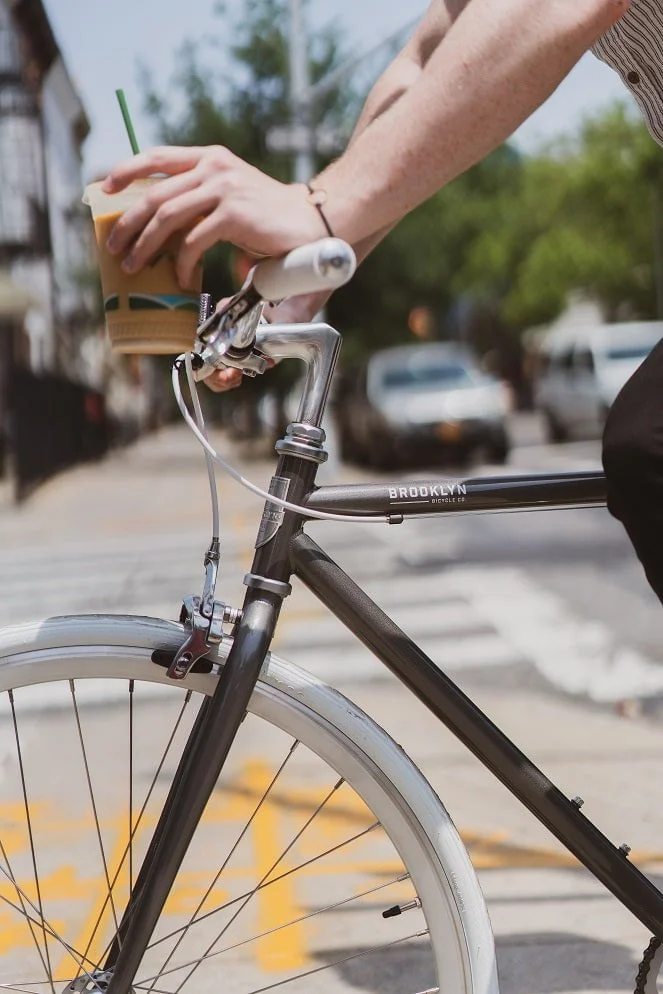
Fixed Gear Bikes for Tempe Center For the Arts Events
A fixed gear bike can be an efficient, enjoyable way to reach an evening performance, gallery program, or community gathering at Tempe Center For the Arts. The direct drivetrain is simple, responsive, and easy to maintain, while a bicycle can eliminate parking searches and help you move comfortably through central Tempe. The best setup for an event is not necessarily the lightest track-style bike. Instead, look for dependable brakes, practical carrying options, comfortable contact points, and gearing that suits stop-and-go city riding. Planning around your route, clothing, venue policies, and security needs will make the ride feel like part of the evening rather than a logistical challenge. Planning a night out around events in mesa? Keep comfort in mind.
Choosing a Fixed Gear Bike for Events at Tempe Center For the Arts
Start by choosing a frame size that gives you confident control at intersections and during low-speed maneuvering. A steel frame can offer a smooth ride over rough pavement, while Aluminum Alloy is a practical choice when you want lower weight for carrying the bike up stairs or into a storage area. Carbon Fiber components can reduce weight further, but they are not essential for a short urban trip and may require more careful inspection after impacts. For many riders, a durable frame, reliable wheels, and straightforward serviceability matter more than premium materials.
Consider how much fixed-gear experience you have before selecting a very aggressive setup. A moderate gear ratio is easier for starts, hills, and frequent signals than a high ratio designed for fast, flat riding. Make sure the bike has a front brake and, where appropriate, a rear brake that comply with local requirements and your own comfort level. Brands such as Motobecane, Soma, and Fyxation offer models and frames that can suit different budgets and riding preferences, but brand name should come after fit, maintenance condition, and the availability of replacement parts.
Comfortable Features for City Riding and Venue Arrivals
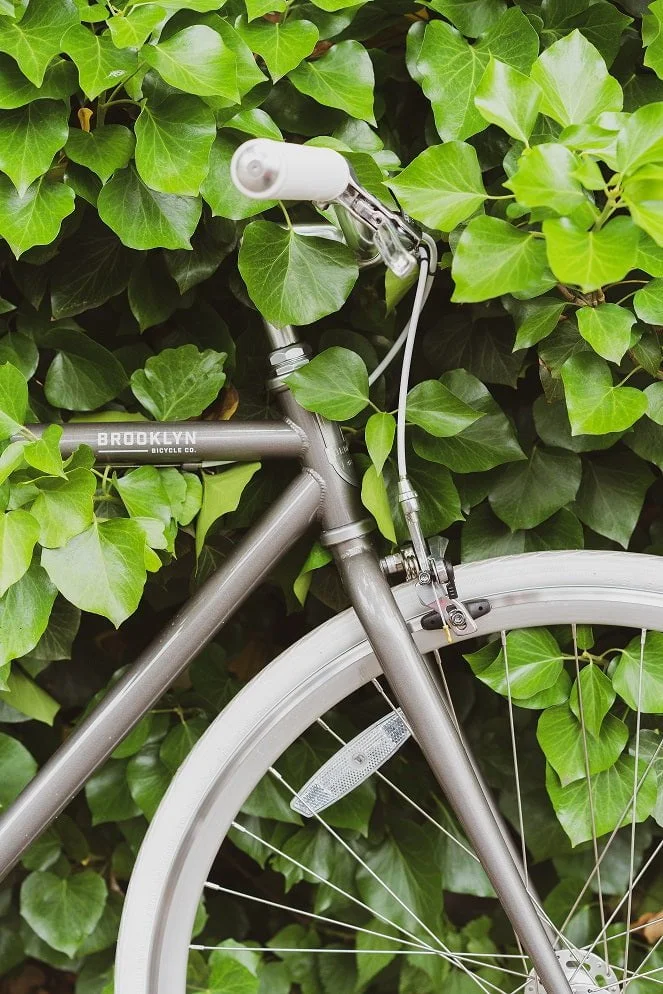
An event ride may be short, but discomfort becomes especially noticeable when you arrive and need to sit through a performance. Choose a saddle that supports your riding position without excessive pressure, and adjust its height so your knee remains slightly bent at the bottom of the pedal stroke. Handlebar shape also matters: compact drop bars can provide multiple hand positions, while flat or riser bars make relaxed urban control easier. Soft grips, padded tape, or ergonomic bar ends can reduce hand fatigue when roads are uneven.
Tires are among the most important comfort and safety upgrades. A moderately wide city tire can absorb cracks and provide steadier handling than a narrow racing tire, provided it fits the frame and fork. Inspect tread and sidewalls before leaving, and carry a pump or a compact inflator because a slow leak can turn an easy trip into a long walk. Front and rear lights are valuable even when you expect to return before midnight; evening traffic, shaded paths, and changing plans can quickly make visibility more important.
For riders traveling in warm weather, breathable clothing and water are more useful than heavy cycling equipment. If you plan to attend a formal event, consider a lightweight, wrinkle-resistant outfit that can be folded into a bag. Avoid arriving in clothing that restricts leg movement or leaves loose fabric near the chain. A simple chain guard or trouser strap can protect your clothes, while a small towel can remove road dust before you enter the venue.
Bike Storage, Security, and Parking Tips
Check the venue’s current bicycle and bag policies before you ride. Some locations provide racks, while others may direct visitors to a nearby public facility or restrict bikes from being brought indoors. For the latest planning details, review information about Tempe Center For the Arts events before leaving, especially if your ticket includes a timed entry, a sold-out performance, or special access instructions.
Use a high-quality U-lock through the frame and a secured wheel whenever possible. A cable alone is easy to defeat, so treat it as a secondary layer rather than your primary lock. Lock the bike to a fixed, permitted rack without blocking pedestrian paths, ramps, entrances, or emergency access. Remove easily detached lights, bags, computers, and tools before walking inside. If your bike has a distinctive finish, including a Black frame, photograph its serial number and identifying features in advance. Those records can help with recovery if the bike is lost or stolen.
Dirt bikes, e-bikes and ATVs take over Tempe streets and ...
Arrive with enough time to locate the rack and confirm that it is in a well-lit, appropriate area. Do not assume a nearby signpost, tree, or decorative rail is acceptable for locking. If no suitable parking is available, ask venue staff for guidance rather than improvising. A folding lock or compact U-lock can be easier to carry, but security should not be sacrificed for convenience. For higher-value bikes, consider using an older, dependable commuter build for event trips and reserving a lightweight race-oriented bike for rides where it remains under direct supervision.
What to Carry on a Fixed Gear Bike for an Evening Event
Keep your load small and balanced. A rack-top bag, compact handlebar bag, or secure backpack can hold the essentials without interfering with steering. Carry identification, payment, a phone, keys, and any required ticket information in a zipped pocket. Add a spare tube matched to your tire size, tire levers, a mini pump, and a multi-tool if you are comfortable making basic roadside repairs. A small patch kit takes up little room and can be useful when a puncture is caused by a minor, identifiable object.
Bring a lightweight lock, front and rear lights, and a reflective layer if your route includes busy streets. A water bottle is worthwhile even for a brief ride, particularly during hot periods. If you are carrying a jacket, choose one that compresses into your bag rather than tying it loosely to the handlebars. Keep valuables close to your body during the event, and avoid leaving electronics or spare accessories in a bag attached to the parked bike.
Planning the Ride Home
Before the performance begins, think through the return journey. Note the location of your bike, check that the lock is still secure, and confirm that your lights have enough battery for the trip home. If the event ends after dark, favor familiar streets with predictable traffic and use a route that leaves room for safe turns and stops. A fixed gear bike offers useful control when you maintain a steady cadence, but it does not replace defensive riding. Slow down near entrances, pedestrians, driveways, and intersections where people may not expect bicycles.
Finally, give the bike a quick inspection before departing: squeeze the brakes, check tire pressure, confirm that the wheels are secure, and make sure the chain is running smoothly. These small checks are especially worthwhile after the bike has been parked for several hours. With an appropriate gear ratio, comfortable touchpoints, visible lighting, and a thoughtful security plan, a fixed gear bike can make an evening at Tempe Center For the Arts convenient from the first pedal stroke to the ride home.