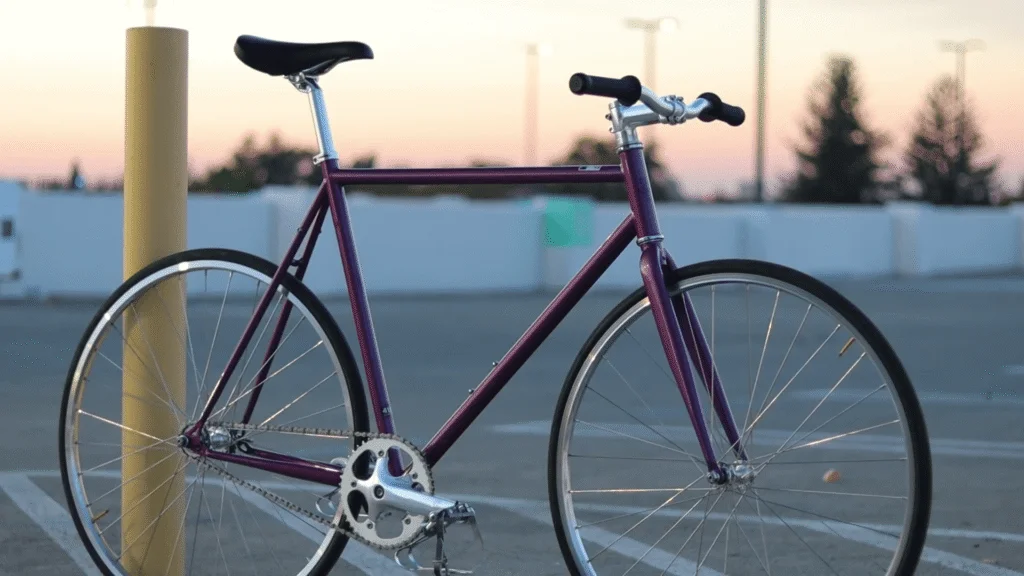
The best fixed gear bikes are not defined by frame style alone. A bike that feels agile and comfortable for a shorter rider may feel cramped for a taller cyclist, while a frame that gives a tall rider enough leg extension can be difficult to control if the reach is excessive. Fit affects comfort, handling, pedaling efficiency, and confidence, so height should be the starting point rather than the only measurement you use.
How Fixed Gear Bike Geometry Affects Fit
Frame size usually refers to the seat tube length, but that number does not tell the whole story. Effective top tube length influences how far you must reach to the handlebars, while stack height affects whether your upper body is upright or stretched forward. Standover height matters when stopping or mounting, and the seat tube angle changes how your position relates to the pedals. Two bikes labeled the same size can therefore feel noticeably different.
Shorter riders often benefit from a compact frame with a lower stack, shorter reach, and a relatively low standover height. These features make it easier to place both feet securely when stopped and reduce the need for an excessively long seatpost. Taller riders generally need more stack, a longer effective top tube, and sufficient seatpost adjustment. A frame that is too small may still be made rideable, but a high saddle and long stem can create an unbalanced position.
Fixed gear bikes also transmit more of the road and drivetrain movement directly to the rider because there is no freewheel. A stable fit is particularly useful when controlling cadence, slowing with the legs, or riding over uneven pavement. A correct frame size gives you room to make small adjustments without relying on extreme component positions.
Best Fixed Gear Bikes for Short Riders
Riders with shorter inseams should prioritize standover clearance and reach before choosing a particular paint color or component group. If the frame is too tall, you may have to lean the bike significantly to one side at stops. If the cockpit is too long, your shoulders may tense and your steering can feel less predictable. Look for size charts that include both seat tube and effective top tube measurements, not just a general height recommendation.
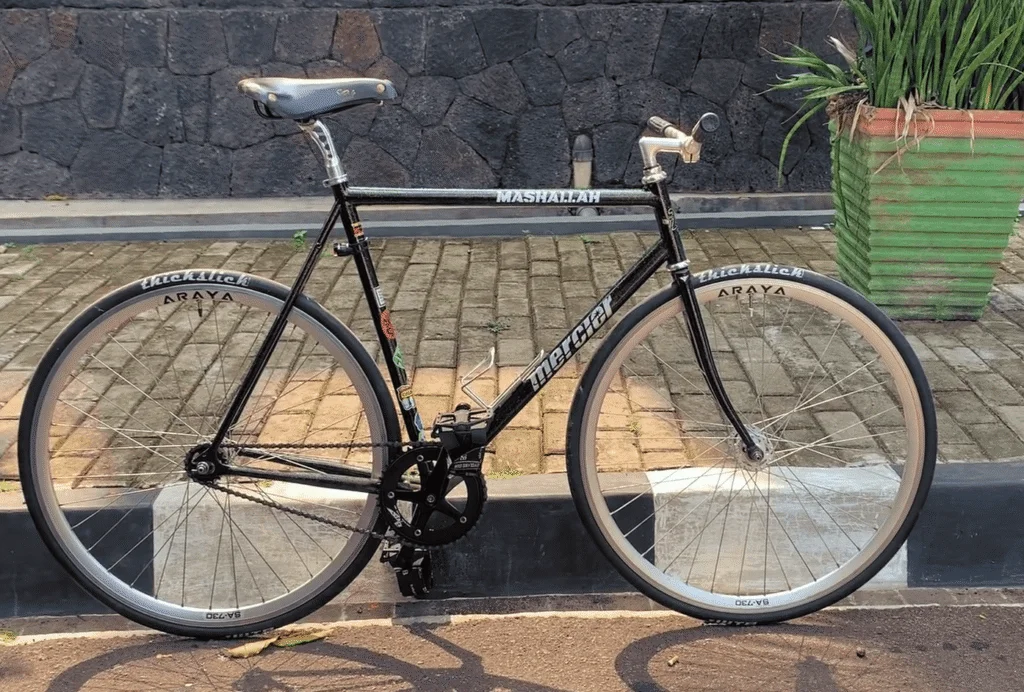
A smaller frame with 650b wheels can be useful for some shorter riders, although wheel size should not be treated as a substitute for proper geometry. Smaller wheels may allow a lower front end and more proportional handling, but tire availability and replacement cost can differ from common 700c setups. A compact 700c frame can work very well when its fork length, head tube, and top tube are designed around smaller sizes rather than simply scaled down from a large frame.
When comparing models, check the minimum saddle height as well as the maximum. The saddle should be high enough for efficient leg extension without forcing you to rock from side to side, but the bike should also allow your feet to reach the ground comfortably when you stop. A short-reach handlebar, compact stem, or shallow-drop bar can make a correctly sized frame feel more manageable without compromising the basic geometry.
Some riders may prefer a lively steel frame for its traditional ride feel, while others may choose Aluminum Alloy for lower weight and a responsive appearance. Neither material guarantees a better fit. A lightweight frame with the wrong reach is still uncomfortable, and a slightly heavier frame with suitable dimensions can be the better daily choice. If appearance is important, a Brown finish may suit a classic commuter setup, but color should remain secondary to measurements and component compatibility.
Best Fixed Gear Bikes for Tall Riders
Tall riders should pay close attention to effective top tube length, stack, maximum saddle height, and the amount of exposed seatpost shown in the product photographs. A frame can meet a height range on paper while still feeling too short in the torso or too low at the handlebars. Inseam length is especially important because two people of the same height can need different frame proportions.
A larger frame should provide enough seat tube length to keep the saddle in a normal adjustment range. Avoid solving a small frame with an extremely long seatpost unless the manufacturer specifically approves that configuration. Excessive extension can affect stiffness and may exceed the post’s minimum insertion mark. Tall riders should also check whether the handlebar can be raised safely and whether the steerer tube leaves enough room for spacers.
Best Complete Fixed Gear Bikes for Every Budget
Longer cranks are sometimes associated with taller riders, but crank length should be selected carefully rather than automatically increased. A modest difference can affect pedal clearance, hip movement, and cadence. For fixed gear riding, a practical crank length paired with an appropriate gear ratio may be more comfortable than a long crank chosen solely from a height chart.
A Carbon Fiber frame may appeal to riders seeking low weight and a clean, modern build, but the relevant questions remain size availability, fit range, and repair or replacement considerations. Steel and Aluminum Alloy frames may offer more accessible sizing and easier component changes. Brands such as Look, Motobecane, and Soma can appear in different categories and price ranges, so compare the geometry chart for the specific model rather than assuming all frames from a brand fit alike.
How to Adjust the Saddle, Stem, and Handlebars
Recommended products
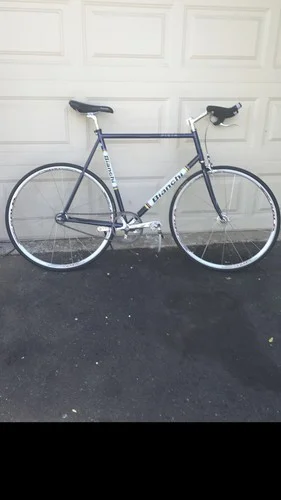
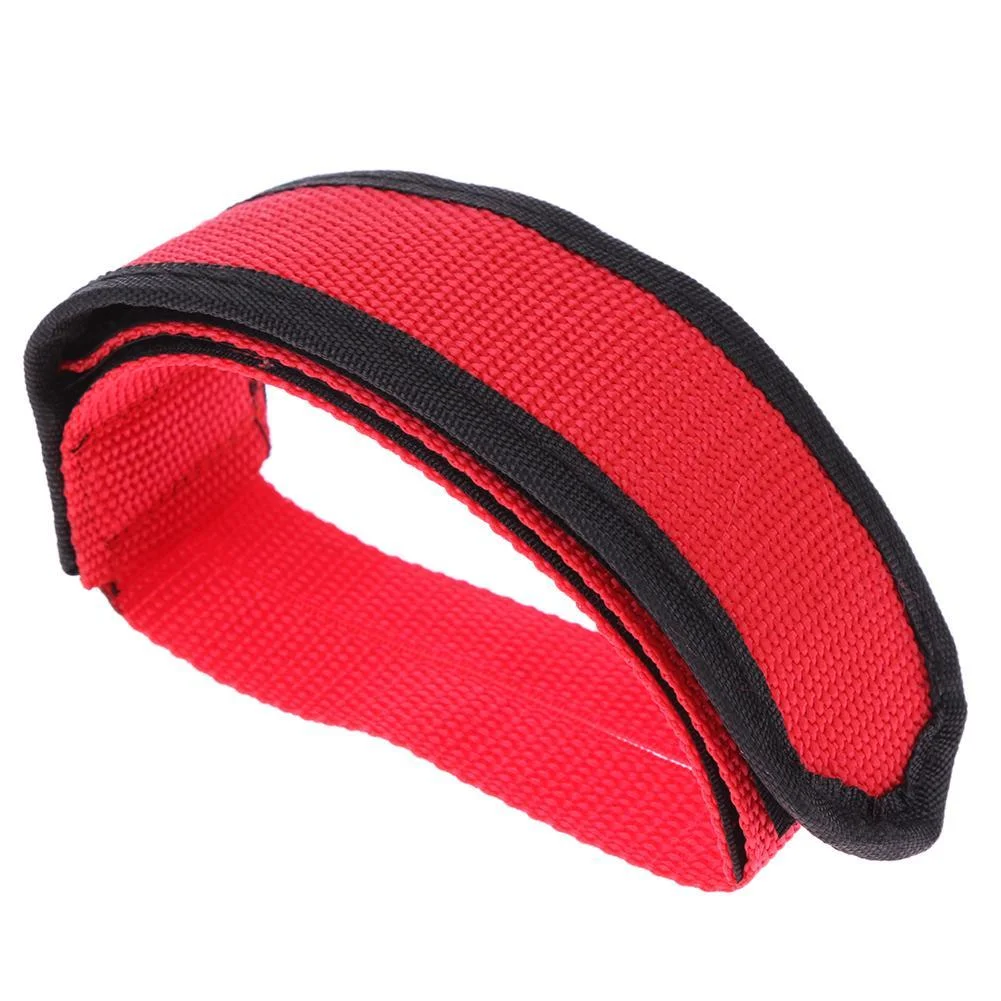
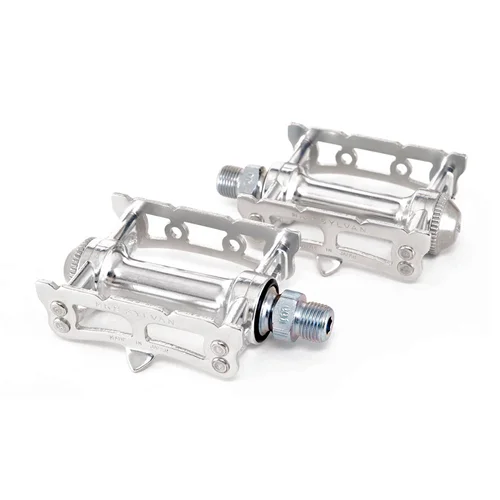
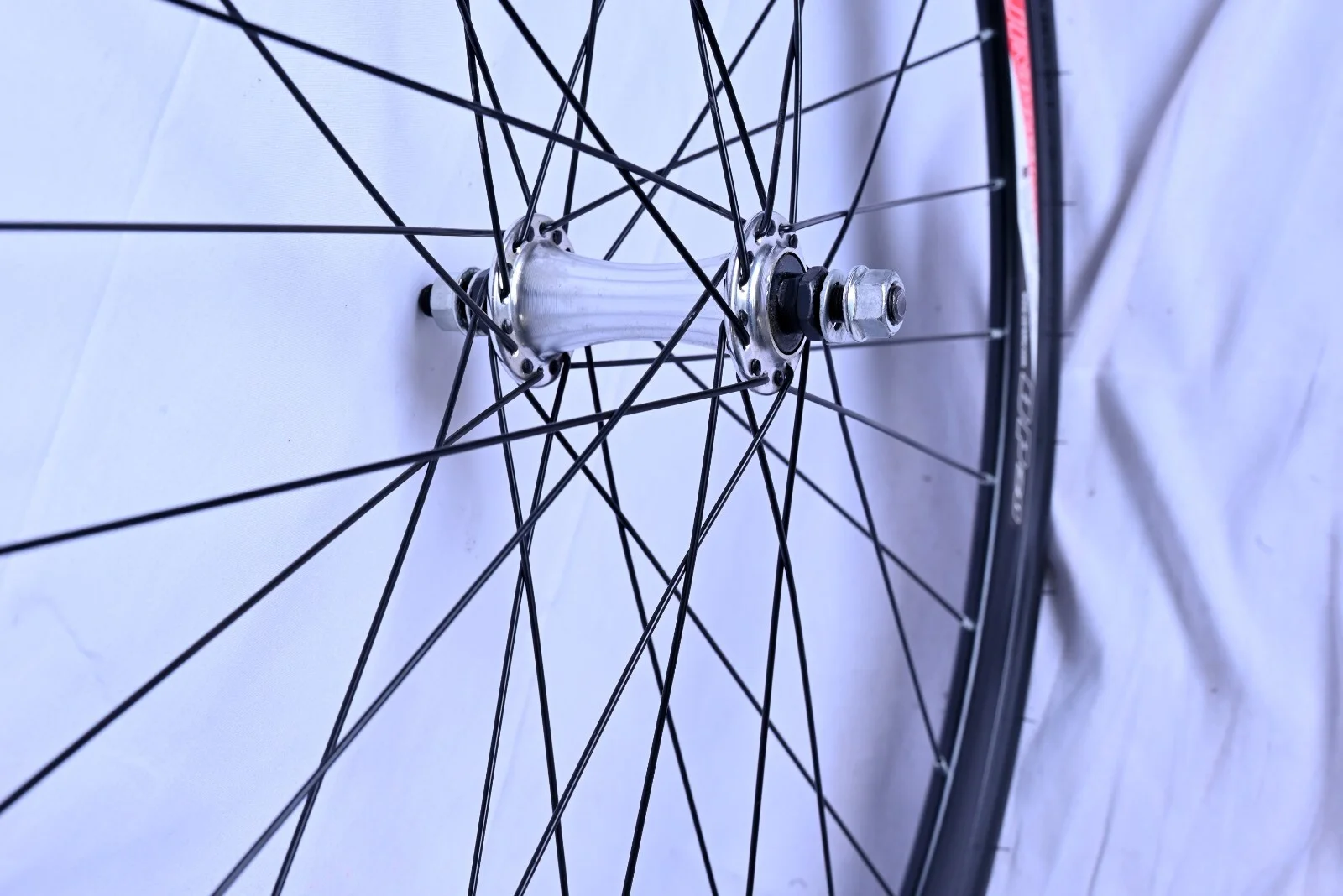
Use these catalog picks as a shortlist for best fixed gear bikes for tall and short riders. Compare measurements, materials, and return terms side by side instead of buying from a photo alone.

Set saddle height first. Place the heel on the pedal and turn the crank to its lowest point; your leg should be nearly straight without your pelvis tilting. Return to a normal pedaling position and make small changes until your knee remains controlled and your hips stay level. This method is a starting point, not a medical assessment, and it should be followed by a comfortable test ride in a safe area.
Next, adjust saddle fore-and-aft position so your weight feels balanced between the wheels. Moving the saddle too far forward can make the front end feel heavily loaded, while moving it too far back can lengthen the reach and reduce control. Make one change at a time so you can tell which adjustment improved or worsened the position.
The stem and handlebars refine reach and hand position. A shorter stem can help a smaller rider without changing the frame, while a longer stem may give a taller rider additional room when the frame is otherwise appropriate. Do not use an unusually long stem to compensate for a clearly undersized frame. Handlebar width should allow relaxed shoulder alignment, and the brake lever position should be reachable without bending the wrists sharply.
On a fixed gear bike, confirm that the saddle, stem, and handlebar bolts are tightened to the manufacturer’s torque guidance. Check that the seatpost remains above its minimum insertion line and that any headset spacers are installed correctly. If the bike uses a front brake, make sure the lever is placed where you can reach it instantly rather than choosing a position based only on appearance.
What to Check Before Ordering Online
Before placing an order, measure your inseam while wearing the footwear you normally ride in and compare it with the manufacturer’s geometry chart. Look for stack, reach or effective top tube, standover height, seat tube length, crank length, and maximum recommended saddle height. If a retailer lists only rider height, treat that information as a rough filter and request the complete chart when possible.
Review the parts specification for changes that can affect fit. Handlebar shape, stem length, crank length, tire width, and saddle design may differ between sizes or production batches. Confirm whether the bike arrives fully assembled, what tools are included, and whether professional assembly is recommended. Also check the return policy, restocking charges, warranty coverage, and who pays shipping if the selected size is wrong.
For the four catalog picks that may appear on this page, compare them in a simple pros-and-cons format. Record the available frame sizes, geometry, gear ratio, brake setup, wheel and tire clearance, material, weight, included components, and total delivered cost. One model may offer a wider size range, another may have a lighter Carbon Fiber or Aluminum Alloy construction, and a third may be easier to service locally. The strongest choice is the one whose drawbacks are manageable for your height and intended routes, not necessarily the one with the lowest listed weight.
Finally, consider how you will actually ride. A shorter urban trip may favor a compact cockpit and durable tires, while longer roads may reward a more stretched position and additional hand positions. Choose the frame size that gives you a neutral posture with room for minor adjustments. Once fit is correct, details such as finish, including a Brown option, and component upgrades become meaningful extras rather than attempts to disguise an unsuitable frame.