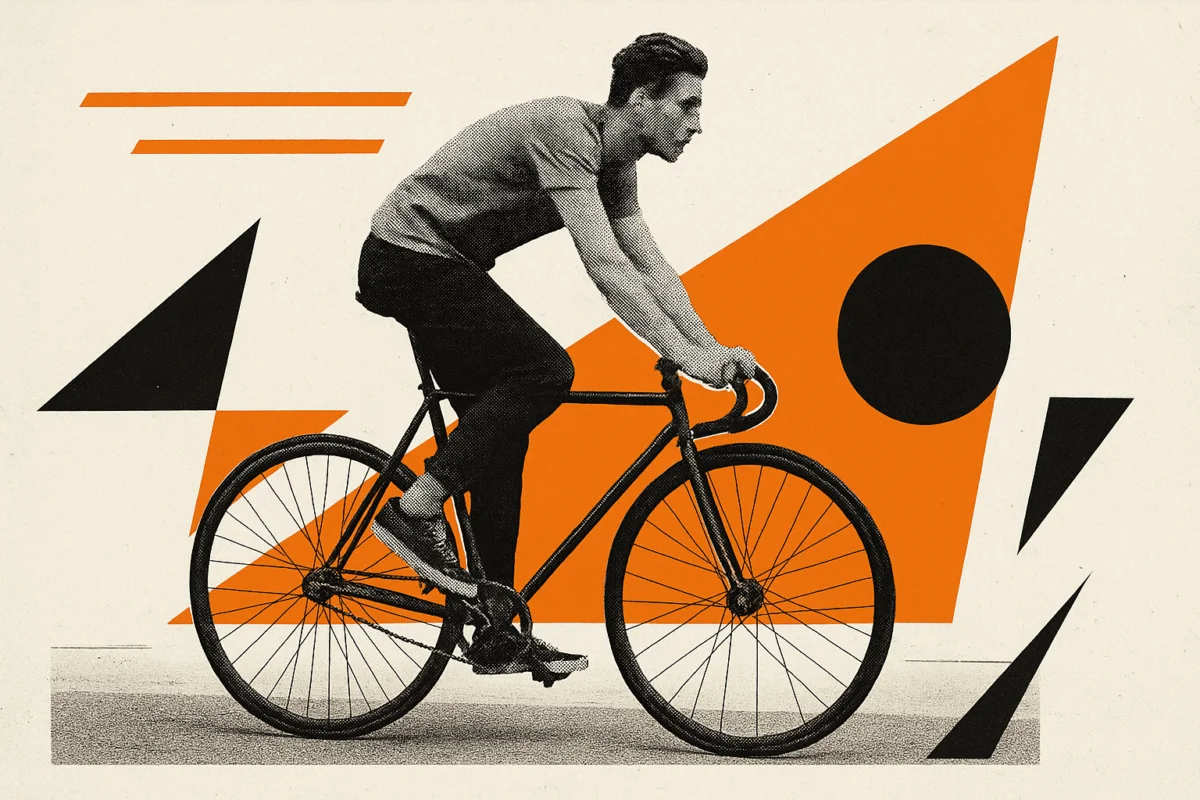
Best Fixed Gear Bikes for Beginners
The best fixed gear bikes for beginners are simple, responsive, and predictable without being harsh or difficult to control. A fixed gear bicycle connects the rear wheel directly to the pedals, so the cranks keep turning whenever the bike moves. That direct connection can make starts, stops, and low-speed balance feel unfamiliar at first, but it also creates a distinctive sense of control once the rider adapts. For most new riders, the right choice is a well-fitted urban bike with reliable brakes, a moderate gear ratio, comfortable contact points, and tires suited to imperfect pavement.
Beginners should also separate the idea of a fixed gear from the idea of a minimalist bicycle. Many models use a flip-flop hub, allowing the rear wheel to run as either a fixed gear or a freewheel single speed. That flexibility is useful while learning, especially if you are unsure whether fixed riding suits you. Regardless of the model, check local regulations and choose a bike with a front brake, and preferably a rear brake as well. A fixed drivetrain does not automatically replace conventional braking technique, particularly in wet traffic or on steep streets.
What to Look for in a Beginner Fixed Gear Bike
Fit should be the first consideration. A beginner needs enough standover clearance to dismount comfortably and a reach that does not force the shoulders forward. If the frame is too large, slow-speed handling and emergency stops become more intimidating. If it is too small, the cockpit can feel cramped and the rider may put excessive weight over the front wheel. Use the manufacturer’s size chart as a starting point, then compare the recommended height range with the actual top-tube length and seat-tube design.
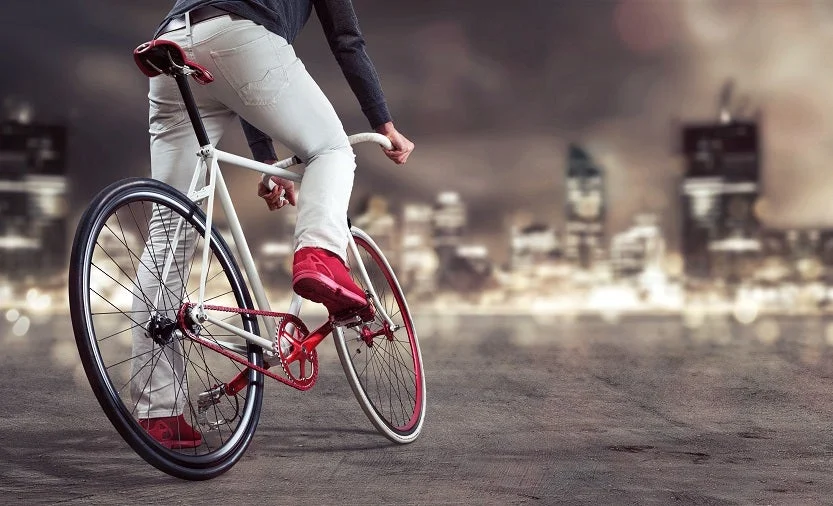
A steel frame can be a sensible choice for a first bike because it often gives a smoother ride over patched asphalt and is generally straightforward to repair. Aluminum frames may feel lighter and more lively, while carbon is rarely necessary for a beginner’s daily city bike. Look for a stable wheelbase rather than an aggressively narrow racing position. Horizontal or semi-horizontal rear dropouts are helpful when adjusting chain tension, and a flip-flop hub adds versatility without requiring a second bicycle.
Gearing deserves careful attention. A tall gear may feel fast on flat roads but can make starts and hills unnecessarily demanding. A moderate ratio, often close to the low-to-mid 2:1 range, is easier for learning cadence and controlling the pedals. The best ratio depends on wheel size, terrain, rider strength, and whether the bicycle has a freewheel option. Avoid choosing solely by the largest chainring or the highest advertised speed; manageable acceleration matters more than theoretical top speed.
Best Fixed Gear Bikes for Casual City Riding
For casual city riding, prioritize stable handling, puncture-resistant tires, dependable brakes, and room for practical Bicycle Accessories. A slightly wider tire, such as a 28 mm or 32 mm option where the frame allows it, can improve comfort on cracked roads and reduce the nervous feel of narrow racing tires. Clearance for mudguards is useful in wet climates, while bottle mounts make everyday commuting easier. If you regularly carry a lock, clothing, or groceries, confirm whether a rear rack can be fitted before buying.
Urban riders should also consider visibility and maintenance. Reflective sidewalls, bright lights, and a bell are more valuable in traffic than ultra-light components. A simple external drivetrain is easy to clean and adjust, but the chain should still be lubricated regularly and kept at the correct tension. Brands such as Bianchi, Felt, and SE Racing have each been associated with different parts of the cycling market, so compare the actual frame geometry, components, brake setup, and warranty of a particular model rather than relying on brand reputation alone.
Color can influence the buying decision without affecting performance. A Purple frame may appeal to riders who want a distinctive look, but inspect the finish for practical details such as visible cable routing, paint protection near the chain, and whether replacement parts are standard sizes. The most attractive bike is still a poor choice if its fit or braking equipment does not suit your routes.
Best Complete Fixed Gear Bikes for Every Budget
Best Fixed Gear Bikes for Learning to Ride Fixed
The easiest way to learn is to begin somewhere flat, open, and free of traffic. Set the saddle so your knee remains slightly bent at the bottom of the pedal stroke, then practice moving away smoothly rather than pushing hard on the first stroke. Keep your hands relaxed and look ahead. As you gain confidence, practice reducing pressure on the pedals, slowing gradually, and stopping with the brake levers before experimenting with resisting the pedals.
A bike with a moderate gear and predictable steering is better for learning than an aggressive track-style setup. Track dropouts, narrow bars, and a very low front end may look purposeful, but they can make fitting accessories and maintaining a comfortable posture more difficult. Beginners should avoid treating skid stopping as a primary braking method. It wears the rear tire, can destabilize the bike, and is unsuitable for many real-world traffic situations. Learn conventional braking first, then develop pedal control in a safe environment.
If you are uncertain about riding fixed, a flip-flop hub is one of the most useful beginner features. You can start with the freewheel side, become comfortable with the frame and controls, and later switch to fixed mode. This does add the small task of removing and reinstalling the rear wheel, so ask a shop to demonstrate chain tension and axle positioning. The chain should be tight enough to prevent excessive movement but not so tight that the cranks bind.
Key Features That Improve Comfort and Control
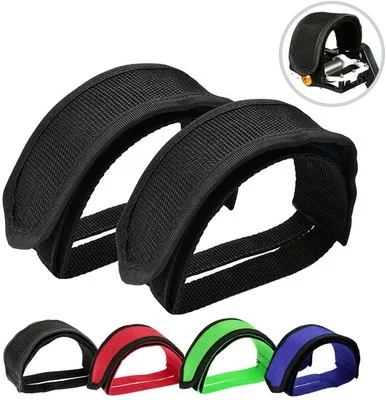
Contact points have an outsized effect on a first ride. A supportive saddle, grips that absorb vibration, and pedals with secure foot retention can make the bicycle feel more stable. Beginners should generally start with flat pedals or mild toe cages rather than advanced clipless pedals. If the feet can be removed quickly, slow-speed practice and emergency stops feel less stressful. Replace any saddle that causes numbness or persistent discomfort instead of assuming that discomfort is part of learning.
Recommended product
Use these catalog picks as a shortlist for best fixed gear bikes for beginners. Compare measurements, materials, and return terms side by side instead of buying from a photo alone.

Brakes are essential equipment. A front brake usually provides the greatest stopping power because braking shifts weight toward the front wheel, but both brakes can provide more balanced control. Inspect lever reach, pad alignment, cable condition, and tire clearance before riding. Some minimalist fixed gear bikes are sold with limited equipment, so calculate the cost of adding a brake, lights, lock, fenders, or a better saddle when comparing the total purchase price.
Wheel quality and tire pressure also affect control. Wheels should spin without obvious wobble, and tires should be inflated within the manufacturer’s stated range. Running the maximum pressure is not always fastest or most comfortable on city streets. A slightly lower pressure, appropriate for the rider’s weight and tire width, can improve grip and reduce harsh impacts. Check for pinch flats and inspect the tread before every longer ride.
How Much to Spend on a First Fixed Gear Bike
A first fixed gear bike can be inexpensive, but the cheapest listing is not necessarily the best value. Budget models may use heavier frames, basic wheels, and entry-level saddles, yet they can work well if the frame fits and the brakes are sound. Mid-range bikes often justify their price with better wheels, more useful tire clearance, improved finishing quality, and components that are easier to replace. High-end materials are less important than correct sizing and dependable stopping performance for a beginner.
When comparing catalog picks, weigh the pros and cons of each bike in the same order: frame fit, brake equipment, gearing, tire clearance, hub type, included accessories, and likely maintenance cost. One model may offer a lighter frame, while another provides stronger wheels or a more practical flip-flop hub. Treat claimed weight and styling as secondary benefits unless they support your actual riding. Also check whether pedals, front and rear brakes, reflectors, and tools are included, because missing essentials can change the final cost.
Set aside part of the budget for a properly sized helmet, front and rear lights, a quality lock, a pump, and basic repair supplies. These Bicycle Accessories make a greater difference to everyday usefulness than cosmetic upgrades. If possible, test-ride the bicycle or have a shop confirm the fit before purchase. The best fixed gear bikes for beginners are not defined by a particular color, component group, or logo; they are the ones that make controlled riding, routine maintenance, and safe progress feel straightforward.
FAQ: Best Fixed Gear Bikes for Beginners
What should beginners look for in a fixed gear bike?+
Look for a comfortable frame size, manageable gearing, reliable brakes, and a durable wheelset. A flip-flop hub can also be useful because it may let you switch between fixed-gear and freewheel setups while learning.
Are fixed gear bikes good for casual city riding?+
Fixed gear bikes can work well for flat urban commutes and short casual rides because they have simple drivetrains and low maintenance needs. Beginners should choose a model with appropriate gearing, strong brakes, and tires wide enough for the roads they use.
What gear ratio is best for learning to ride fixed?+
A moderate gear ratio is usually easier for beginners than a high, fast setup. Lower gearing makes starts, stops, hills, and controlling the pedals more manageable, while the right choice depends on your fitness, terrain, and preferred riding speed.
Do beginner fixed gear bikes need brakes?+
Yes, brakes are a valuable feature for beginners, especially when riding in traffic or on unfamiliar streets. A front brake can provide additional stopping control, even though experienced fixed-gear riders may also use resistance through the pedals.
How much should I spend on a first fixed gear bike?+
A first fixed gear bike should have a dependable frame, wheels, drivetrain, and brakes rather than simply the lowest price. Entry-level options can be suitable for casual riding, while spending more may improve fit, component quality, comfort, and long-term durability.